European Red List of Moths 2026
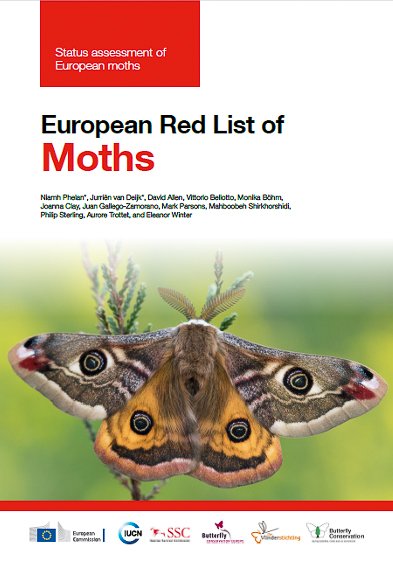
The European Red List of Moths was published in September 2026 and can be downloaded from the EU Publications Office website.
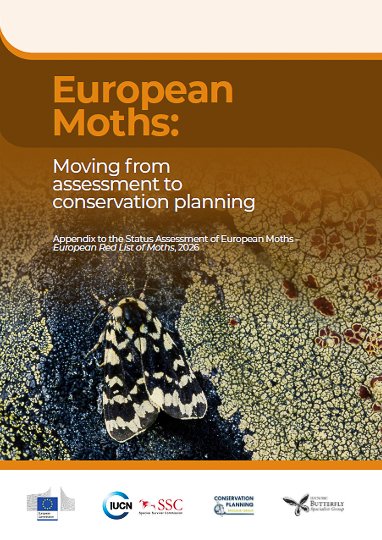
A separate appendix - "European moths: Moving from assessment to conservation planning" - was published at the same time and can also be downloaded from the EU Publications Office website.
The European Commission issued a press release highlighting that one in nine moth species in Europe are threatened with extinction. It can be downloaded here.
Species accounts for all the 3082 European moth species evaluated can be found here. The species accounts cover all Lepidoptera, so they also include over 400 butterfly species evaluated for the Butterfly Red List, that was published in 2025.
Key Findings
- The Red List assessment covers native moth species occurring across geographical Europe and the results are presented on 2 scales: geographical Europe, and the 27 Member States of the European Union (EU). It focuses on macro-moths, covering 23 macro-moth families, together with one micro-moth species (Glyphipterix loricatella) included due to its listing under Annex IV of the EU Habitats Directive.
- 3082 species were assessed (note that species with less than 1% of their global range in Europe were excluded from the assessment).
- One species, Eupithecia ogilviata from the Azores, is assessed as Extinct, while several other species are considered Critically Endangered (Possibly Extinct).
- Of the 3081 extant species, 8.3% (255 species) have been assessed as being threatened at the European level comprising: 0.7% (21 species) Critically Endangered, 2.7% (82 species) Endangered, and 4.9% (152 species) Vulnerable. A further 7.9% (243 species) are classified as Near Threatened.
- About 1 in 7 (16.2%, 498 species) of moths are now threatened or Near Threatened at the European level.
- The situation is even worse when it comes to endemic species for which Europe has a unique responsibility. Of the 703 extant endemic species: 13.9% (98 species) are threatened and 6.7% (47 species) Near Threatened. Thus, over 20% of Europe's endemic moths are now threatened or close to being so.
- For the whole of Europe, the number of Data Deficient moth species is 726 (23.6%) and approximately 35% of the endemic species were classified as Data Deficient, reflecting limited information on their distribution, ecology and population trends. This means that the extinction risk of many species remains uncertain, and some may ultimately prove to be threatened once sufficient data become available. One of the priority actions in the Moths Red List is to reduce the number of data deficient species, especially for the European endemics.
- Publication of the European Red List of Moths (2026) follows publication of the Red Lists of three other pollinator groups: Bees (2026), Butterflies (2025) and Hoverflies (2023).
- The number of moth species assessed in the red list is 3082, which is much higher than the number of bees (1928 species), butterflies (442 species) and hoverflies (890 species).
- For the whole of Europe, the number of data deficient moth species is 726 (23.6%), which is much higher than the data deficiency for bees (14.3%), butterflies (0%) and hoverflies (5.1%).
- This is the first European Red List of Moths to be published, so no comparison can be made with previous Red Lists.
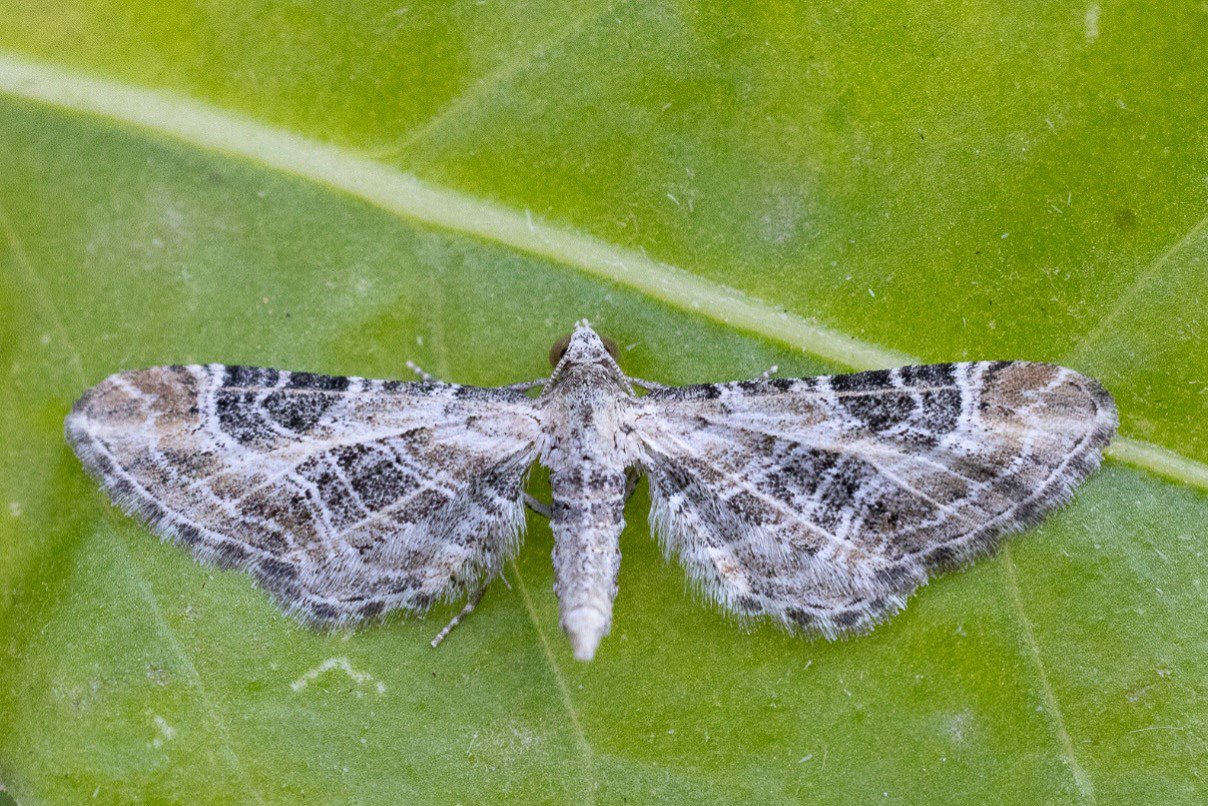
Eupithecia scalptata occurs only in the relatively poorly surveyed southern Balkan region of Europe. As a result of this lack of information, the species has been assessed as Data Deficient.
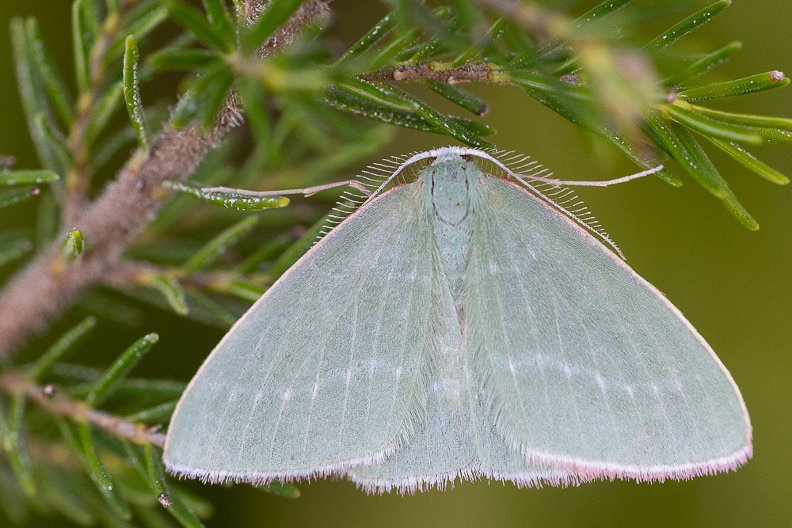
Islands harbour many endemic species, such as Xenochlorodes nubigena, which is endemic to Madeira. On many isolated islands, there is a need for further moth research and the implementation of standardised monitoring schemes.
EU situation
- Publication of this European Red List means there is an up-to-date red list for bees, butterflies, hoverflies and moths, which are the 4 taxa covered by the EU Pollinator Monitoring Scheme (EUPoMS). Member States will be required to monitor for all 4 taxa starting in December 2026 (in practice monitoring will start in Spring 2027 when the pollinators flight period starts). Establishing EUPoMS is an important milestone in the implementation of the EU Nature Restoration Regulation.
- The number of EU species assessed in the red lists are: moths (2828 species), bees (2048 species), butterflies (462 species) and hoverflies (892 species).
- Within the EU there are 2828 extant moth species, 11.9% of these (336 species) are threatened with extinction, of which 0.8% (23 species) are Critically Endangered, 3.0% (86 species) are Endangered and 5.9% (166 species) are Vulnerable. In addition, 9.3% (262 species) are Near Threatened.
- Thus, over 20% of the moth species found in the EU are now threatened or close to being so. Another 17.9% (506 species) are classified as Data Deficient, and a significant proportion of these may ultimately prove to be threatened, potentially increasing the overall percentage of threatened species considerably.
- Within the EU, the proportion of endemic moth species threatened is 8.2% (40 of 487 of extant species).
Threats to moths
- The most significant threats to European moths are habitat modification and degradation, followed by climate change and severe weather and pressures associated with agriculture and aquaculture.
- Urban development and pollution also affect large numbers of species, particularly through habitat fragmentation, pesticide use and landscape simplification.
- Artificial Light At Night (ALAN) is increasingly recognised as a major pressure on nocturnal pollinators.
- These pressures often act in combination and impact moths across their full life cycle, as many species depend on specific microhabitats and host plants. The findings reinforce the importance of implementing biodiversity-friendly land management, habitat restoration and legally required pollinator measures under the EU Biodiversity Strategy for 2030, the EU Pollinators Initiative and the Nature Restoration Regulation.
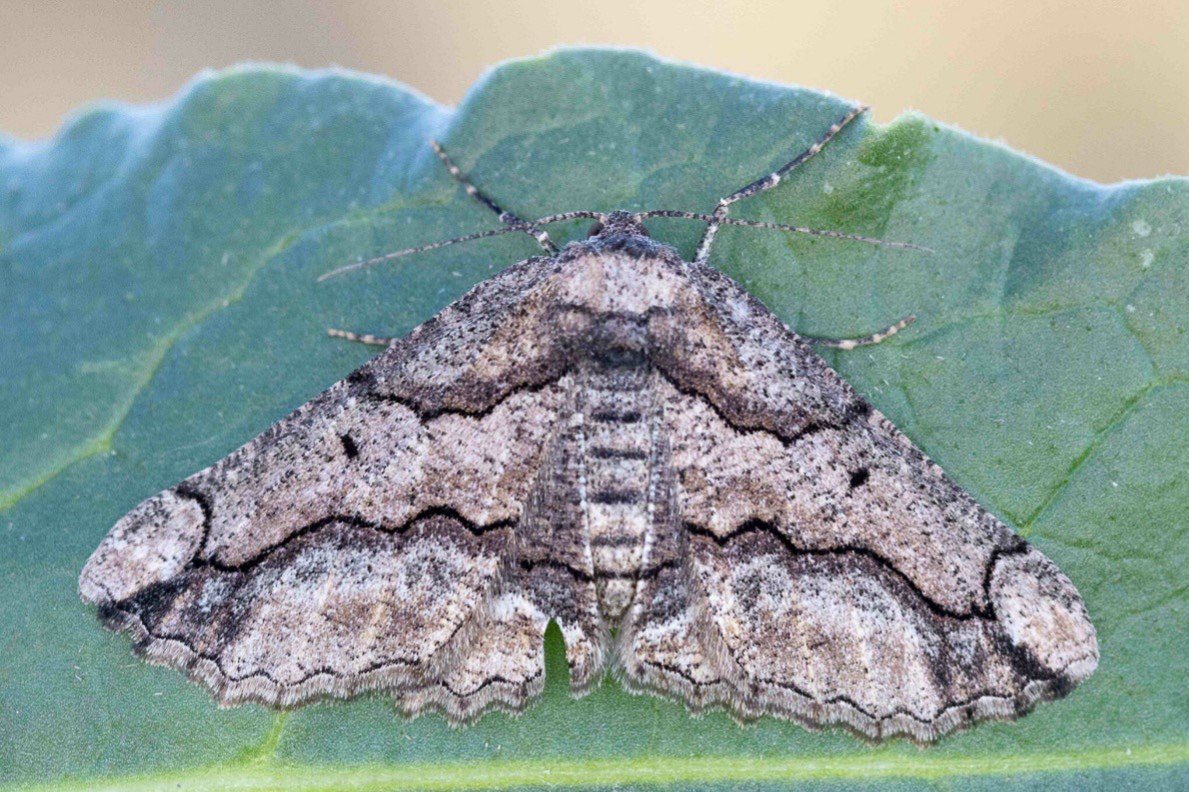
Menophra japygiaria occurs throughout the Mediterranean region and is threatened by climate change, which is expected to increase the risk of wildfires. Therefore, the species is listed as Vulnerable.
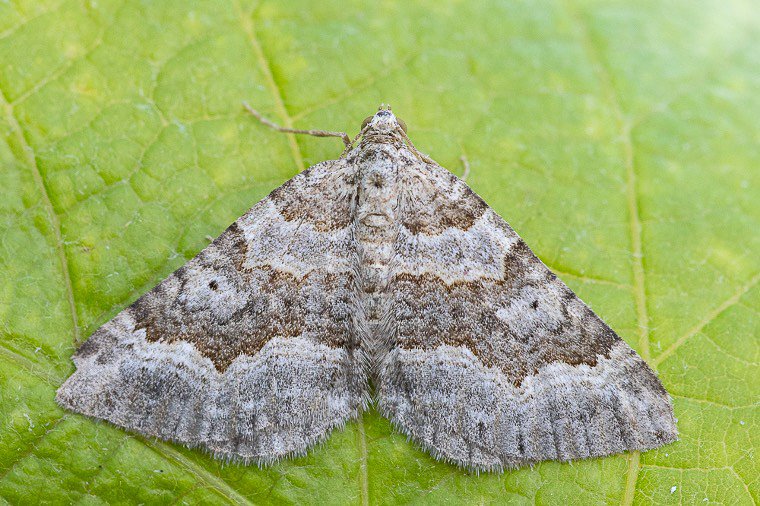
Scotopteryx vicinaria inhabits dry, steep montane slopes and karstic limestone habitats with sparse vegetation. The species is likely to be at risk due to climate change leading to a change in vegetation structure and microclimate. Therefore, it is listed as Vulnerable.
Priorities
To deliver these priorities, targeted and practical conservation measures are required, including:
- Establishing and expanding long-term monitoring programmes, including implementation of standardised approaches such as the EU Pollinator Monitoring Scheme (EUPoMS) and the use of AI-based image recognition tools such as the ButterflyCount App.
- Increasing standardised survey effort and improving data coverage, particularly in under-recorded regions.
- Managing habitats at both site and landscape scales to ensure resources are available throughout species' life cycles.
- Tailoring conservation management to known species requirements where information is available.
- Supporting research to address knowledge gaps, particularly autecological research for Data Deficient and threatened species.
- Stimulate research on micro moths.
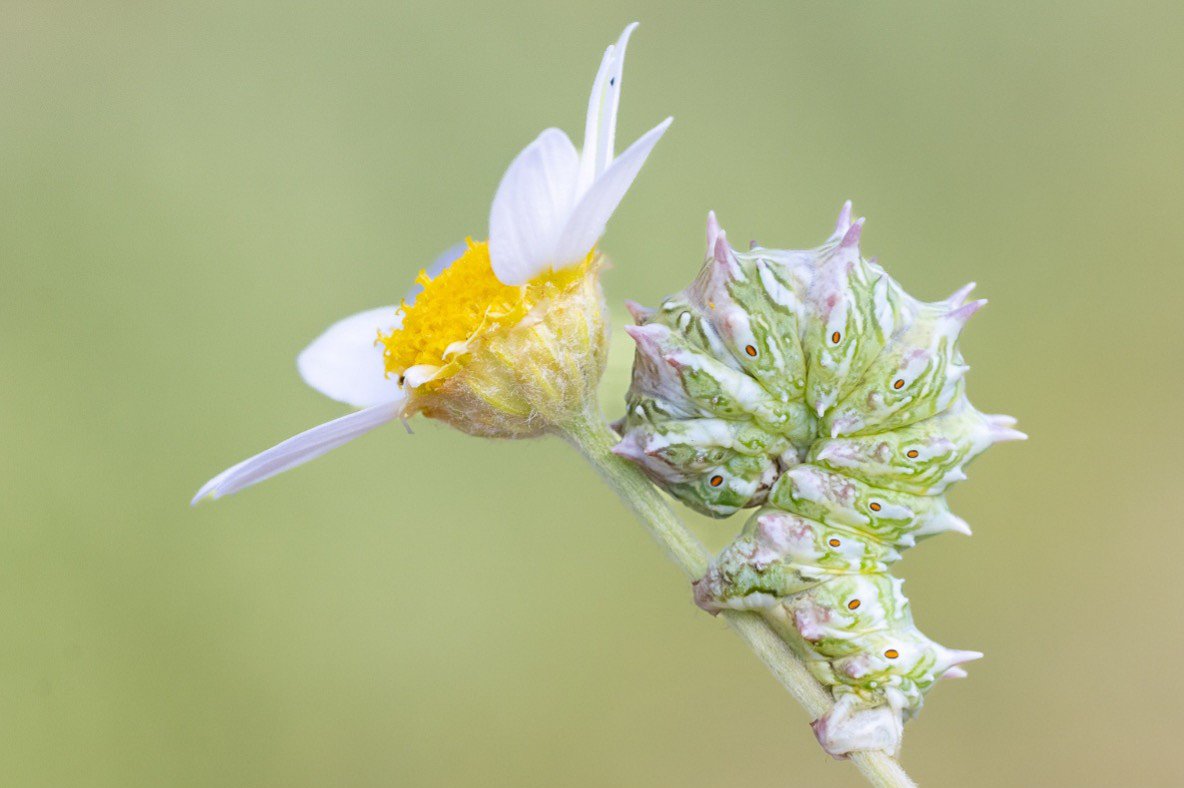
Some species, such as Apochima flabellaria, can easily be found in their larval stage. Standardised larval counts would provide population trends and establish a direct link with the species' habitat and its condition.
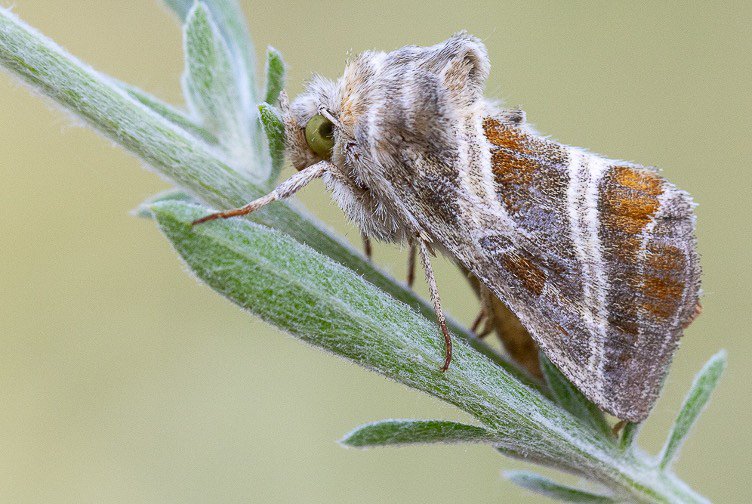
The Balkan region is an under recorded region with many Data Deficient moths, like this Euchalcia chlorocharis. This underlines the importance for standardised moth monitoring in this region.
We thank the regional, national and taxonomic experts who contributed data through questionnaires, participated in workshops, and supported the review of species assessments. Their input was essential to the development and validation of this Red List. All contributors are acknowledged in the red list and on the species accounts published on the IUCN Red List website.
References
- S Phelan, N.*, van Deijk, J.*, Allen, D., Bellotto, V., Böhm, M., Clay, J., Parsons, M., Shirkhorshidi, M., Sterling, P., Trottet, A., & Winter, E. (2026). Status assessment of European moths: European Red List of moths. European Commission. https://doi.org/10.2779/6590787 * Co-first authors of the report
- IUCN SSC B&MSG/CPSG (2026). European Moths: Moving from Assessment to Conservation Planning. Brussels, Belgium: European Commission, https://doi.org/10.2779/8047096